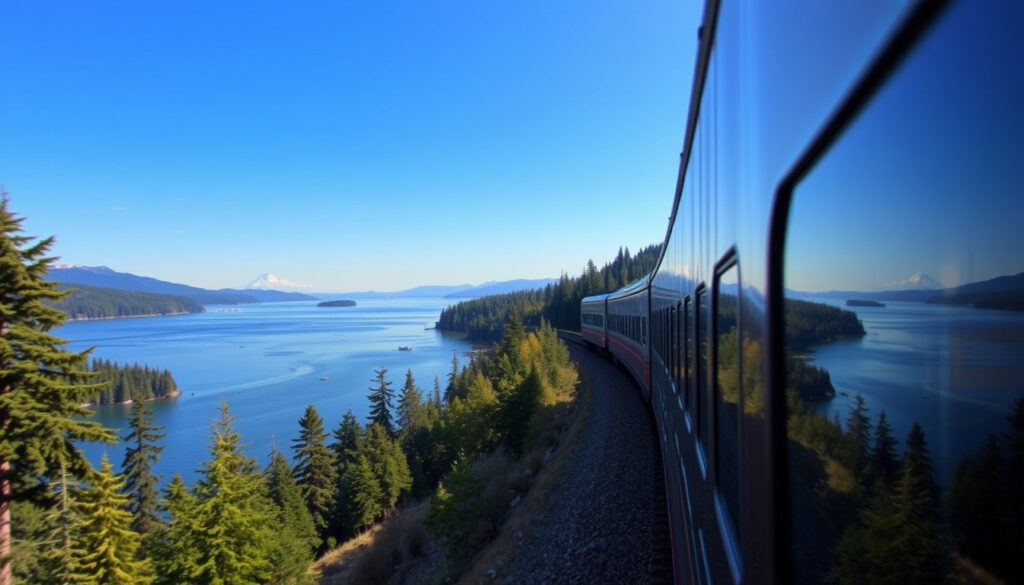
Vancouver to Seattle Train: Prices, Schedules & Tickets
If you’ve ever stared at the I-5 traffic between Vancouver and Seattle and thought “there has to be a better way,” you are not alone. The Amtrak Cascades route connects two of the Pacific Northwest’s most vibrant cities by rail — and unlike the border wait in your car, the train rolls through mountain views while you stretch your legs. Here’s everything you need to know before booking.
Starting Price: $29 · Average Duration: 3 hours 20 minutes · Daily Trains: 4 · Operator: Amtrak Cascades
Quick snapshot
- Amtrak Cascades operates 4 daily trains between Seattle and Vancouver BC (Amtrak Cascades Official)
- Route spans 137 miles (220 km) along the I-5 corridor (Amtrak Cascades Official)
- 18 stations total along the full corridor (Amtrak Cascades Official)
- Real-time delay tracking not available in public sources
- Current exact fares without booking engine access
- Current timetable effective April 22, 2026 (Amtrak Timetable)
- Pricing data collected through March 28, 2026 (Amtrak Timetable)
| Fact | Detail |
|---|---|
| Operator | Amtrak Cascades |
| Starting Price | $29 |
| Average Duration | 3 hours 20 minutes |
| Fastest Trip | 3 hours 7 minutes |
| Route Distance | 137 miles (220 km) |
| Daily Services | 4 trains (2 round trips) |
| Corridor Stations | 18 |
How much is a train ticket from Vancouver to Seattle?
Ticket prices on the Vancouver to Seattle train vary depending on when you book, but some patterns hold true across aggregator data. The lowest advertised one-way fare comes in at $29 (Wanderu), while Omio reports its cheapest option at $32 with an average around $53 (Omio). Rome2Rio shows a wider range from $40–$95, likely reflecting premium seating or last-minute booking (Rome2Rio).
Amtrak pricing
Amtrak’s official discount structure offers meaningful savings for specific traveler groups. Seniors aged 65 and older receive 10% off standard fares (Amtrak Cascades Official). Students with a valid ID save 15%, and children aged 2–12 traveling outside Washington get 50% off (one child per full adult fare). Within Washington state, children ride completely free with an adult or senior (Amtrak). Youth 18 and under also ride free in Washington state — a policy that makes family trips significantly more affordable.
Aggregator deals from $24–$53
Third-party aggregators often surface prices below the official Amtrak minimum. Wanderu, which aggregates multiple carriers, shows an average one-way ticket price of $38.83 over the past month with 6 daily trips from Vancouver to Seattle (Wanderu). Booking 25 days in advance reportedly saves approximately $17.32 compared to same-day pricing — a strong incentive to plan ahead.
The price fluctuation for the next 30 days ranges between $34 and $64, according to pricing models, with February historically offering the cheapest average fares at $33 and December the most expensive at $42 (Wanderu).
The implication: flexible travelers who can shift their departure to February or book well in advance will find the best rates. Families should note that children ride free within Washington, making the train exceptionally competitive against driving costs for intra-state routes.
How long is the train ride from Vancouver, BC to Seattle?
The Vancouver to Seattle train covers 137 miles (220 kilometers) along the I-5 corridor, and journey times cluster around the 3-hour mark. The fastest service completes the trip in 3 hours and 7 minutes, according to Wanderu’s schedule data (Wanderu). Most departures fall closer to the average of 3 hours and 20 minutes.
Average trip time
Amtrak Guide’s station-by-station breakdown shows the Seattle to Edmonds segment takes 40 minutes, and Seattle to Everett takes 1 hour (Amtrak Guide). This explains why some Vancouver-Seattle runs take longer — it depends on whether the train stops at intermediate stations along the corridor.
Fastest options
Rome2Rio reports 4 hours 25 minutes for the journey, but this likely reflects older schedule data or a specific departure with more stops (Rome2Rio). The current timetable (effective April 22, 2026) shows the fastest trains at under 3 hours 10 minutes.
The catch: cross-border passengers must arrive one hour prior to departure for customs processing, according to the official schedule document (Amtrak Cascades Official Schedule). Factor this into your departure planning — what looks like a 3-hour trip can become 4 hours of total door-to-door time if you cut the station arrival close.
Is there a scenic train ride from Vancouver to Seattle?
Yes — and that’s arguably the train’s strongest argument over driving. The Amtrak Cascades route follows the I-5 corridor through the Puget Sound region, treating passengers to views of the Olympic Mountains, coastal inlets, and Pacific Northwest forest that you’d never see from the highway.
Amtrak Cascades highlights
The train operator describes the route as a scenic Pacific Northwest experience, connecting Vancouver BC to Seattle and continuing south through Portland to Eugene, Oregon (Amtrak). Unlike the often-congested I-5 drive, which demands constant attention, the train lets you spread out, work, or simply watch the scenery roll by.
Route views
Onboard amenities support the scenic focus: wide reclining seats give everyone a window seat in practice, laptop outlets let you work without range anxiety, and the Bistro Car serves regional cuisine alongside wine and microbrews (Amtrak). Bike racks are available for cyclists wanting to explore either destination differently.
The trade-off: the fastest trains sacrifice some scenic appeal by skipping smaller stations. If your priority is scenery over speed, check whether your departure stops at intermediate towns — longer routes often mean more views.
Vancouver to Seattle train schedule
Four daily trains operate between Seattle and Vancouver BC, representing two round trips per day (Amtrak Cascades Official). The corridor is served by 18 stations total, but the Vancouver-Seattle segment uses a subset centered on the I-5 route through Washington state.
Amtrak Cascades timetable
The current schedule took effect April 22, 2026, according to Amtrak’s published timetable (Amtrak Timetable). Tickets can be purchased from station agents at 12 Amtrak Cascades stations including Vancouver BC, Bellingham, Everett, Edmonds, Seattle, Tacoma, Centralia, and Vancouver WA — or through amtrakcascades.com directly.
Daily operations
Wanderu shows 6 daily departures from Vancouver to Seattle specifically, though this may include additional services not counted in the official two-round-trip figure (Wanderu). Passengers should verify current schedules at amtrakcascades.com before traveling, as service levels can shift with seasonal demand.
What this means: with only 4 daily trains, seat availability can tighten quickly — particularly on weekends or holidays. The window for catching a departure is narrower than air options, so advance booking isn’t just cheaper (it guarantees a spot).
Is it worth getting first class on a train?
Business Class on Amtrak Cascades delivers a noticeably different experience — the question is whether the premium pays for itself. Passengers in Business Class receive priority boarding and deboarding, seating in a dedicated car with wider seats and extra legroom, and a $3 off menu coupon for the Bistro Car (Amtrak).
First vs coach
Standard Amtrak Cascades coaches already include wide reclining seats, laptop outlets, and access to the Bistro Car — the baseline experience is comfortable. Business Class adds the refundability guarantee: if you cancel prior to departure, you get your money back (Amtrak). This alone can justify the upgrade for travelers with uncertain plans.
Amtrak Cascades classes
Amtrak Guest Rewards members earn 25% point bonus on Business Class fares, making the upgrade partly self-funding through future free travel. Business Class passengers also get access to the Metropolitan Lounge in Portland — useful if your journey includes a connection there.
The upshot: for travelers under 3.5 hours, coach is perfectly adequate. But Business Class makes sense for business travelers who need the refund option, families booking flexible plans, or Amtrak enthusiasts who want the full experience. For occasional leisure travelers, coach with advance booking will suffice.
Amtrak Cascades route specifications
These operational specs come from official Amtrak data and aggregator research, giving you the numbers behind the journey.
| Specification | Value |
|---|---|
| Total corridor stations | 18 |
| Route distance | 137 miles (220 km) |
| Fastest journey (Vancouver–Seattle) | 3 hours 7 minutes |
| Daily trains (Seattle–Vancouver) | 4 |
| Lowest advertised fare | $29 |
| Average one-way fare | $38.83 |
| Advance booking savings | $17.32 |
| Senior discount | 10% |
| Student discount | 15% |
| Group Share Fares maximum | 60% |
The pattern is clear: booking ahead and traveling off-peak can cut your fare by nearly half, while discounts for seniors, students, and groups stack on top of those base savings.
Amtrak Cascades booking steps
Five steps between deciding to ride and sitting in your seat — three of them happen before you leave home.
- Check the current timetable at amtrakcascades.com or the Amtrak app. Note whether your departure is express (fewer stops, faster) or local (more views, longer).
- Compare aggregator prices on Wanderu, Omio, or Rome2Rio alongside amtrak.com. Aggregators sometimes surface lower fares, but confirm the ticket is for Amtrak Cascades service specifically.
- Book 25+ days ahead to capture advance pricing. Apply discount codes for seniors (10%), students (15%), or children as applicable.
- Arrive at least 1 hour early for Vancouver BC departures due to border crossing procedures. Domestic Washington state departures need 30–45 minutes.
- Board and enjoy — wider seats, bike racks, and the Bistro Car await. Business Class passengers proceed to the dedicated car and Metropolitan Lounge in Portland.
The train saves you from driving stress and delivers mountain views — but only 4 departures per day mean less flexibility than air travel. Commit to a schedule, and the experience wins. Wing it, and you’ll resent the constraint.
Amtrak Cascades pros and cons
Upsides
- Scenic I-5 corridor views unavailable from the highway
- Children 18 and under ride free within Washington state
- Business Class refund option reduces booking risk
- Amtrak Guest Rewards 25% bonus for Business Class travelers
- Onboard Bistro Car with regional food, wine, and Seattle-made coffee
- Advance booking saves up to $17.32 per ticket
- No highway tolls or fuel costs; no parking at destination
Downsides
- Only 4 daily trains — limited flexibility
- Vancouver BC passengers must arrive 1 hour early for border processing
- Fastest trains skip smaller stations, reducing scenic stops
- Price fluctuation of $34–$64 makes budgeting harder without advance booking
- December pricing spikes to $42 average — peak holiday demand
- Bus connections not detailed in current schedule data
- Real-time delay information not publicly available
Families with young children benefit most from the Washington state free-ride policy — a 2-adult, 2-child trip costs effectively one adult fare one-way within Washington. Compare that to driving costs + tolls + parking, and the math shifts decisively toward the train for intra-state routes.
What passengers say about the route
Book your Amtrak Cascades trip in advance for the best chance at the best prices, or take advantage of other available discounts, including: Share Fares – Small Groups Save up to 60%, Seniors – Save 10%, Students – Save 15%, Kids (2–12) – Save 50%.
— Amtrak (Official Transportation Operator)
To truly experience the luxury of travel on Amtrak Cascades, book a seat in Business Class. You’ll enjoy a fully refundable ticket if canceled prior to departure, 25% point bonus for Amtrak Guest Rewards members, priority boarding and deboarding, seating in a dedicated car, wider seats with extra legroom, a coupon for $3 off any menu item and access to the Metropolitan Lounge in Portland.
— Amtrak (Official Transportation Operator)
Related reading: British Columbia Locations Guide · Map of US States
amtrakcascades.com, amtrakoregon.com, amtrakcascades.com, amtrakcascades.com
Travelers eyeing the scenic Amtrak Cascades from Vancouver to Seattle often start with Amtrak Cascades schedules for up-to-date prices and daily timetables.
Frequently asked questions
What is the cheapest Vancouver to Seattle train ticket?
The lowest advertised one-way fare is $29, according to Wanderu’s aggregated pricing data. Most travelers will find fares between $33 and $53 depending on booking timing and day of week.
How many trains run daily from Vancouver to Seattle?
Amtrak Cascades operates 4 daily trains between Seattle and Vancouver BC, representing 2 round trips per day. This is the official figure from amtrakcascades.com.
Does the train from Vancouver to Seattle cross the border?
Yes. The route crosses the US-Canada border at the Peace Arch crossing between Washington state and British Columbia. Passengers must present valid identification and arrive one hour before departure for cross-border departures from Vancouver BC.
Can I bring luggage on Amtrak Cascades?
Amtrak’s standard luggage policy applies: each passenger may bring two carry-on bags and two checked bags at no additional charge. Bike racks are available for cyclists — reserve space when booking.
What stations serve Vancouver to Seattle train?
The Vancouver terminus is Pacific Central Station in Vancouver BC. Intermediate stops include Bellingham, Everett, and Edmonds before reaching Seattle King Street Station. The full corridor extends south to Portland, Salem, Albany, and Eugene.
Is there WiFi on the Vancouver to Seattle train?
Amtrak Cascades trains feature laptop outlets at every seat for device charging. WiFi availability varies — check the Amtrak app before departure for current connectivity status on your specific train.
How to check Amtrak Cascades train status?
Current train status is available through amtrakcascades.com, the Amtrak mobile app, or by checking with station agents at staffed locations. The current schedule effective date is April 22, 2026.
For travelers weighing train against bus or driving, the math is clear on paper but personal: the train costs $29–$53, takes 3–4 hours, and delivers mountain views. The bus costs less but takes 4–5 hours with less comfort. Flying is faster but requires airport logistics. For those who value the journey itself, the train wins.
More related posts
 APA 7th Edition Citation Guide: In-Text & Reference Examples
 BetterThisFacts Tips from BetterThisWorld: Verified Info
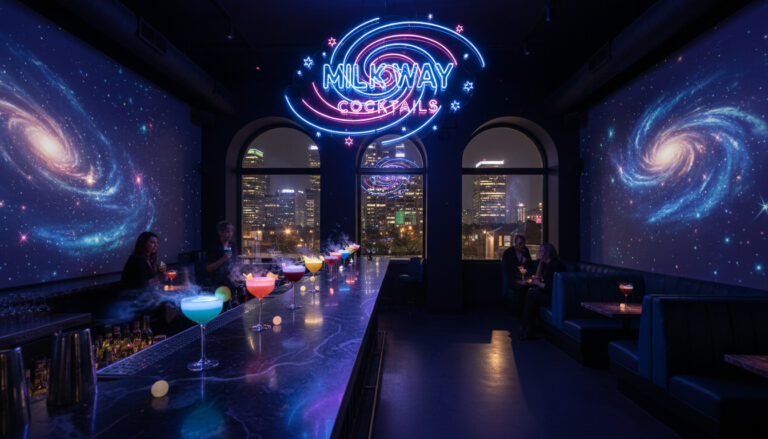 Milky Way Cocktail Bar – Montréal Location and Facts
 5’3″ in CM – Exact 160.02 cm Conversion Guide
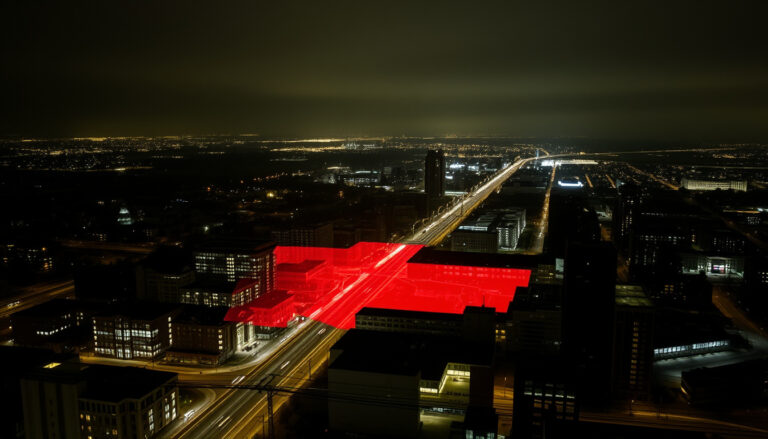 Ottawa Hydro Power Outage: Map, Live Updates Today
 How Did Heath Ledger Die – Cause, Age and Key Facts
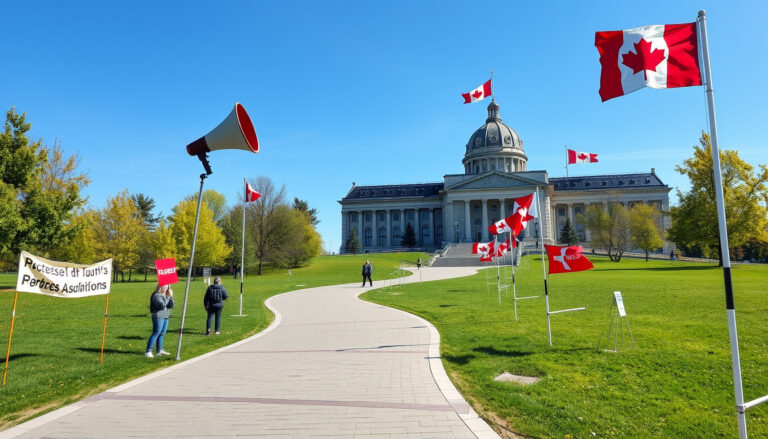 Gabriel Nadeau-Dubois: From Student Activist to Québec Deputy
 India Pakistan War News: 2025 Crisis, Military Power Comparison