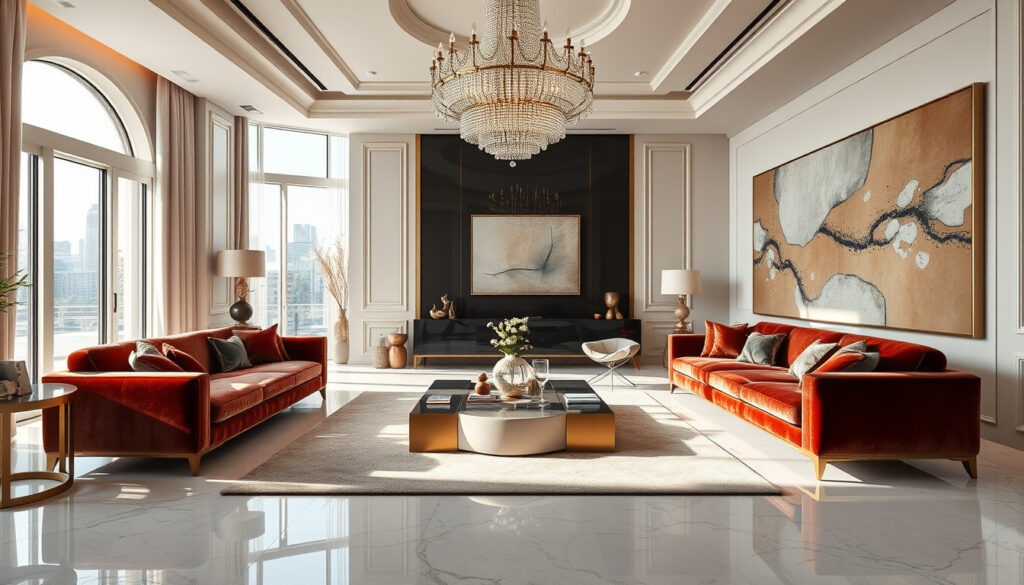
About #LuxuryInteriorsOrg Blog: Design Ideas & Trends
Walk into any high-end home magazine and you’ll notice something: the best rooms never look perfectly symmetrical. There’s a reason designers swear by odd-number groupings—and it goes deeper than a passing trend. This guide unpacks the luxuryinteriorsorg blog’s approach to elegant interiors, the key elements that define high-end spaces, and the 3-5-7 rule that separates a curated room from a cluttered one.
Essential Elements: 7 · Decorating Rule: 3-5-7 · Characteristics: 6 · Search Volume: 0 (UNKNOWN)
Quick snapshot
- The 3-5-7 rule involves groupings of 3, 5, or 7 decorative items (Hive Furniture Show)
- Exact search volume for luxuryinteriorsorg content
- Full depth of blog’s masterclass offerings
- The 3-5-7 rule expands the classic Rule of Three dating back years
- Luxury interiors continue favoring curated, lived-in aesthetics over staged symmetry (Homes & Gardens)
Six distinct categories define the luxuryinteriorsorg blog’s editorial scope.
| Label | Value |
|---|---|
| Primary Focus | luxury interior design |
| Key Offerings | ideas, trends, décor inspiration, expert tips |
| Homepage URL | luxuryinteriorsorg.org |
| Description | go-to destination for all things luxury interior design |
| Additional Guide | writing luxury interior design topics |
What is luxury interior design?
Luxury interior design goes beyond expensive furniture and high price tags. It encompasses thoughtful space planning, premium materials, and a cohesive aesthetic that feels intentional rather than ostentatious. The luxuryinteriorsorg blog positions itself as a resource for homeowners and designers seeking inspiration that balances elegance with livability.
A Guide to Creating High-End Interiors
Creating high-end interiors requires attention to scale, proportion, and the subtle details that signal quality. According to Homes & Gardens (established shelter publication), trends in luxury interiors favor curated, lived-in vibes over staged symmetry. This shift means rooms should feel collected over time rather than decorator-staged for a single photoshoot.
The foundation of well-designed rooms starts with three large structural pieces, as noted by Brian’s Benham (design principles resource). These anchors—often a sofa, area rug, and statement seating—establish the room’s proportion before smaller details come into play.
High-end interiors aren’t built in a single shopping trip. They emerge from layered decisions about how each element relates to the whole, and that deliberate curation distinguishes luxury from mere expense.
What are the key elements of luxury design?
Seven essential elements form the backbone of luxury interior design. These include quality materials, thoughtful lighting, intentional color palettes, proper scale, texture variation, negative space, and distinctive craftsmanship. The luxuryinteriorsorg blog explores each through articles, visual galleries, and expert commentary.
The 7 Essential Elements
Interior designer Mollie Ranize from Dmar Interiors describes the 3-5-7 rule as a simple yet effective principle bringing visual balance by grouping decorative objects in odd numbers. This principle aligns with broader luxury design elements by promoting intentionality over randomness.
Variation in texture and height is essential for creating dimension in luxury spaces, according to Ideal Home (UK shelter publication). A marble countertop paired with a linen napkin, a wool throw, and ceramic vase creates tactile interest that signals quality without relying on price alone.
Investing in fewer, higher-quality pieces often outperforms filling a room with moderate items. Luxury demands restraint, and that discipline separates curated spaces from cluttered ones.
The implication for designers is clear: every material choice must earn its place in the room’s composition rather than simply filling space.
What is modern luxury interior design?
Modern luxury interior design rejects excess in favor of sophisticated simplicity. It favors clean lines, natural materials, and breathing room that lets each piece stand on its own merits. Apartment Therapy (interior design platform) notes that the 3-5-7 rule expands the classic Rule of Three for dynamism while maintaining visual harmony.
Modern Luxury Interior Design Style
Architectural Digest emphasizes allowing objects room to breathe with negative space, according to Hive Furniture Show (furniture retailer blog). This principle—often called “less but better”—defines modern luxury: every item earns its place.
For rugs in modern luxury living rooms, designers recommend leaving 6-18 inches of visible flooring around the edge, as documented by Rugs.com (rug specialist retailer). This breathing room prevents furniture from appearing crowded and allows the floor itself to contribute to the room’s composition.
The pattern emerging here is that modern luxury prioritizes what you leave out over what you add—negative space becomes a design element rather than empty filler.
What is luxury design style?
Luxury design style encompasses six defining characteristics: timelessness over trends, material authenticity, spatial awareness, light manipulation, textural layering, and subtle color restraint. These patterns appear across furniture, textiles, and architectural details in high-end projects worldwide.
6 Characteristics & Design Patterns
Interior designer Nina Lichtenstein states the rule creates balance without symmetry, ideal for vignettes, shelves, and pillows, as reported by Homes & Gardens. This approach to asymmetry defines luxury style: deliberate visual tension that feels organic rather than forced.
Groupings should create a triangle silhouette with varying heights, according to Rocky Hill Home (design advice platform). This triangular composition creates natural eye movement across the arrangement, making even simple groupings feel sophisticated.
Symmetry works for functional pairs like matching lamps, but odds for decorative vignettes, notes Britt Hill Interiors (design studio blog). Understanding when to apply each principle separates amateur decorating from professional styling.
What is the 3-5-7 rule in interior design?
The 3-5-7 rule in interior design involves grouping decorative objects in odd numbers of three, five, or seven to create asymmetry that feels harmonious and visually engaging. This principle has become a go-to for high-end, sophisticated editorial looks on large surfaces, according to Rocky Hill Home.
A Guide to Mastering Principles of Interior Design
Livingetc reports that odd numbers of objects, ideally 3, 5, or 7, are more visually engaging than even-numbered groupings, as cited by Hive Furniture Show. The human eye naturally prefers the dynamic tension of odd numbers over the static feel of even arrangements.
For the power of 3, use one tall item like a lamp, one flat item like books, and one organic item like a candle or plant on nightstands or small end tables, according to Rocky Hill Home. This combination works best for small side tables and nightstands, providing visual interest without overwhelming compact surfaces.
The power of 5 is for coffee tables or mantels, adding two supporting elements to a primary trio for a curated look, as documented by Rocky Hill Home. A mantel display using five items might include a large mirror or art piece flanked by smaller objects, creating rhythm across a horizontal surface.
The power of 7 creates a grand statement on large surfaces like dining tables, with multiple height peaks for rhythm, according to Rocky Hill Home. This scale suits dining tables, large consoles, and long credenzas where a bold statement justifies the surface investment.
Avoid identical objects in groups of three—vary heights, shapes, and finishes for authentic sophistication rather than staged uniformity. Sam Sutherland, Flitch interior stylist, notes that grouping items in odd numbers feels more natural to the eye than even numbers.
The catch here is that the rule fails when applied mechanically: authentic sophistication requires variation, not just odd counts.
Confirmed vs Unclear
Confirmed
- Blog covers luxury interior design ideas and trends
- The 3-5-7 rule scales by surface size: 3 items for side tables, 5 for coffee tables, 7 for large consoles
- Odd-number groupings create more visually engaging arrangements than even sets
Unclear
- Exact search volume for luxuryinteriorsorg blog content
- Full depth and frequency of masterclass offerings
- Specific publication date or founding context for the blog
Expert perspectives
The 3-5-7 styling rule is a simple yet effective principle that brings visual balance and interest to any arrangement.
— Mollie Ranize, Interior Designer at Dmar Interiors (Homes & Gardens)
Balance is everything, but balance doesn’t always mean symmetry. Enter the 3-5-7 styling rule.
— Nina Lichtenstein, Interior Designer (Homes & Gardens)
Grouping items in odd numbers, three, five or seven, feels more natural to the eye than even numbers.
— Sam Sutherland, Flitch Interior Stylist (Ideal Home)
Allow objects room to breathe.
— Architectural Digest (Hive Furniture Show)
Summary
The luxuryinteriorsorg blog operates within a niche that values authenticity over abundance. For homeowners seeking elevated spaces, the path forward is clear: invest in foundational pieces that anchor the room, layer with texture and intentional groupings governed by the 3-5-7 rule, and resist the urge to fill every surface. For designers and stylists working with luxury clients, demonstrating command of these principles separates competent practitioners from those who merely select expensive products. The gap between a curated room and a cluttered one often comes down to whether odd numbers—or restraint—guide the final arrangement.
Related reading: dining table sets · houses for sale
While #LuxuryInteriorsOrg spotlights high-end elegance, TheHomeTrotters home ideas blog delivers practical DIY tips for everyday home makeovers.
Frequently asked questions
What makes luxuryinteriorsorg blog unique?
The blog serves as a go-to destination for all things luxury interior design, offering ideas, trends, décor inspiration, and expert tips through insightful articles and stunning visual content.
What are luxury interior design trends on the blog?
Trends covered include the preference for curated, lived-in aesthetics over staged symmetry, the prominence of odd-number groupings, and the emphasis on texture variation and negative space.
How does luxuryinteriorsorg inspire elegant homes?
Through comprehensive articles exploring high-end interiors, elegant homes, and premium finishes, the blog demonstrates how thoughtful design choices create sophisticated spaces.
What expert tips does the blog provide?
Expert tips cover topics like the 3-5-7 rule for styling, material selection, lighting design, and the balance between luxury and livability in residential spaces.
Is luxuryinteriorsorg focused on modern luxury?
Yes, the blog emphasizes modern luxury interior design that favors sophisticated simplicity, clean lines, natural materials, and breathing room over excess and ostentation.
What décor ideas are featured?
Décor ideas include guidance on grouping decorative objects, creating triangular silhouettes with varying heights, and applying the 3-5-7 rule to surfaces from side tables to large consoles.
How to start with luxury interiors per the blog?
Start by establishing three large structural pieces—often a sofa, area rug, and statement seating—before layering with medium supports and small details that follow the 3-5-7 principle.
More related posts
 Skip The Dishes Driver – Requirements, App, Pay and Signup
 How to Relieve Constipation on the Toilet Immediately
 Houses for Sale Saint John – Listings Prices Neighborhoods 2026
 Air Climatisé Portatif Sans Tuyau – Does It Cool Effectively?
 Semaine de Relâche 2025 Dates: Quebec School Calendar Guide
 Where Was Shogun Filmed – British Columbia Locations Guide
 Precio Dolar Canadiense a Pesos Mexicanos – Current Rate and Forecast
 What’s Eating Gilbert Grape: Cast, Plot, Controversy